


Mould, Leaks and Hot Rooms: 5 Home Problems Australians Fix with Smart Sensors (2026)
The short version
Most smart homes start with one problem, not a plan. These are the five our customers bring us most, and the fix for each:
- Mould in a damp room: a temperature and humidity sensor.
- A leak nobody notices: a water leak sensor.
- A west-facing room that cooks every afternoon: a motorised blind.
- Lights that switch off while you're sitting still: an mmWave presence sensor.
- Lights that come on at the wrong time: a light (lux) sensor.
None of this needs an electrician. The sensors, hub and blind motor run on batteries or USB power, and the smart bulbs fit the light sockets you already have, so everything here suits a rental.
1. Mould and condensation: measure humidity before you fight it

The University of Sydney's building research team estimates that one in three Australian homes has excessive dampness and mould. The usual hotspots are the bathroom, the bedroom with the external wall, the robe nobody opens, and the laundry in winter.
Most people only see the problem once black spots appear. A humidity sensor gives you the warning first. The National Asthma Council Australia recommends keeping indoor relative humidity between 30 and 50 per cent where possible, and notes that mould can grow at levels above 55 per cent.
How to set it up:
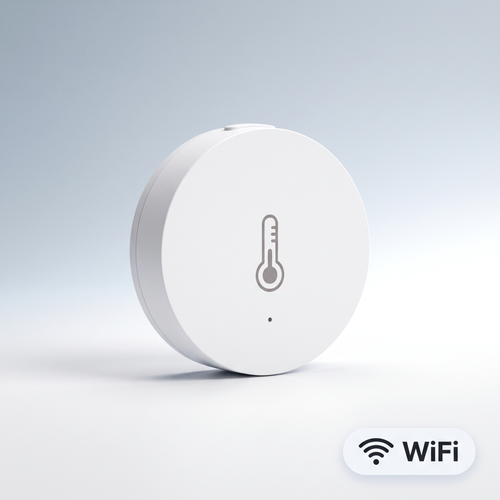
- Put the Temp & Humidity Sensor in the room you suspect is damp, at about head height and away from the window.
- In the Tuya SmartLife app, create an alert for when humidity goes above 60%.
- Check the history chart after a week. If humidity jumps every night, the likely cause is condensation from people sleeping in a closed room rather than a leak.
Going further: pair it with the Smart IR Blaster. When humidity crosses your limit, the blaster can switch your split system into dry mode automatically.
Where it won't help: a sensor tells you about the problem. It doesn't fix a roof leak or rising damp. If humidity stays high with the windows open, get a builder to look at it.
2. Leaks: the claim nobody sees coming

Budget Direct reported in June 2026 that escape of liquid made up 19% of its home insurance claims, with an average cost of A$23,843. Its claims were most common in Victoria. The usual culprits are flexi-hoses under sinks, washing machine hoses, dishwashers and hot water systems.
These leaks are slow and quiet, and they often happen when nobody's home. A leak sensor sits on the floor. When water touches its probes, it sends an alert to your phone and sounds a built-in alarm.
Where to put them:
- Under the kitchen sink, where the flexi-hoses are
- Behind the washing machine
- Beside the dishwasher
- Next to the hot water system
The WiFi Water Leak Sensor needs no hub and runs for about a year on one AAA battery (not included). If you're adding several, a ZigBee leak sensor from our Smart Sensors range is cheaper per room once you have a hub.
3. The west-facing room that cooks every afternoon

Up to 40% of the energy used to heat or cool a home is lost through windows, according to City of Greater Bendigo home energy guidance. In an Australian summer, a west-facing lounge or bedroom takes the full afternoon sun just as the aircon is working hardest.
Blinds only help if they're down before the room heats up, and nobody remembers to do that at 1pm on a workday.
The WiFi Roller Blind Motor 25mm slides into your existing roller blind tube. You keep your fabric and brackets. There are two ways to run it:
- Simple: a weekday schedule in the app that lowers the blind at 1pm. Switch it on for summer and off again in autumn.
- Smarter: a ZigBee light sensor on the windowsill (this needs a hub) lowers the blind when the sun actually hits the glass, and leaves it up on cloudy days.
Before you buy, check: the motor fits blinds with a 25 mm inner tube, up to 2.4 m wide. It has a rechargeable battery that lasts about four months with one up and one down per day. For curtains instead of blinds, see Smart Curtains & Blinds.
4. "The lights keep turning off while I'm sitting here"

This is the most common complaint about motion-sensor lighting. A standard PIR motion sensor detects heat moving past it. If you sit still for a few minutes, it decides the room is empty.
An mmWave Presence Sensor uses radar that is sensitive enough to pick up breathing. It can tell an empty room from a still one. Use it in the lounge, the home office and the bedroom. Keep cheaper PIR sensors for hallways and laundries, where people only pass through.
It runs on USB power, so there are no batteries to replace. It comes in WiFi and ZigBee versions.
5. Lights on at 5pm in summer and still dark at 5pm in winter

Lights on a fixed schedule are always wrong for half the year. In Melbourne, sunset moves by more than three hours between December and June.
A light (lux) sensor measures how bright the room actually is. Your automation then reads "when the room gets dark" instead of "at 6pm". Both options below are ZigBee, so they need a hub.
- The ZigBee Illuminance Sensor is a small dedicated lux sensor.
- The ZigBee Door Sensor 2-in-1 combines a door sensor with a lux sensor. It works for a rule like "front door opens and it's dark: turn the hallway light on."
Pair either one with a ZigBee Smart Bulb (E27 screw or B22 bayonet). Your lights then follow the actual daylight all year.
Do you need a hub?

You need one for anything labelled ZigBee, and not for WiFi devices. A simple rule: if you're buying one or two sensors, choose WiFi. If you're planning five or more, buy the hub first.
The Multi-Mode Hub runs your ZigBee devices without adding load to your WiFi. Its IR versions can also control your aircon and TV. More options are in Automation Hubs.
What to buy first
- A water leak sensor under the kitchen sink. It's the cheapest, and the problem it catches is the most expensive.
- A temp and humidity sensor in the room you suspect is damp.
- Whichever comfort fix matches your annoyance: a blind motor for heat, an mmWave sensor for lights that switch off, or a lux sensor for lights at the wrong time.
- A hub, once you know you want more than a handful of devices.
Start with Get Started Under A$100, or browse all Smart Sensors.
Frequently asked questions
What humidity level causes mould in Australian homes?
The National Asthma Council Australia says mould can grow at humidity levels above 55%, and grows best around 70%. It recommends keeping indoor humidity between 30 and 50% where possible. A sensor set to alert you at 60% gives you time to ventilate before mould takes hold.
Where should I put a water leak sensor?
On the floor under the kitchen sink, behind the washing machine, beside the dishwasher and next to the hot water system. Those are the places where flexi-hose and appliance leaks usually start.
Can I motorise my existing roller blinds?
Yes, if the blind has a standard 25 mm inner tube and is up to 2.4 m wide. The motor replaces the spring mechanism inside the tube. You keep the fabric and brackets, and no wiring is needed.
Do I need an electrician for any of these?
No. The sensors, hub and blind motor run on batteries or USB power, and the smart bulbs fit your existing light sockets. Nothing in this guide needs new wiring.
Will these work with Alexa and Google Home?
Yes. They all pair with the Tuya SmartLife app. Link that app to Alexa or Google Home once, and the devices can trigger routines on either platform.
Sources
University of Sydney, building moisture research · National Asthma Council Australia, indoor humidity · Budget Direct, June 2026 · City of Greater Bendigo, windows
Products in this guide
Everything mentioned above
In stock and shipped free Australia-wide.
 Save 14%
PureNode
PureNode Temp & Humidity Sensor - Tuya,Alexa,Google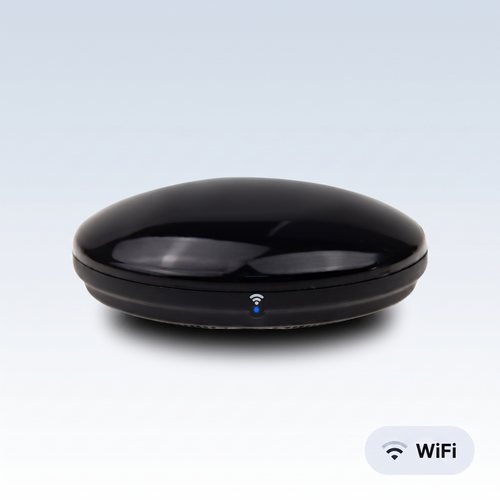 Save 37%
PureNode
PureNode Smart IR Blaster - Aircon,TV,Fan - Tuya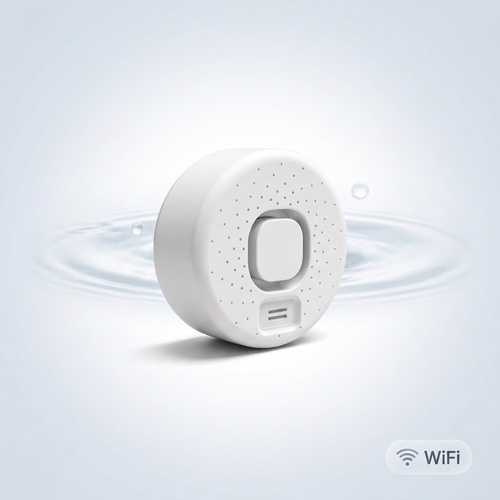
PureNode
PureNode WiFi Water Leak Sensor - Tuya,Alexa,Google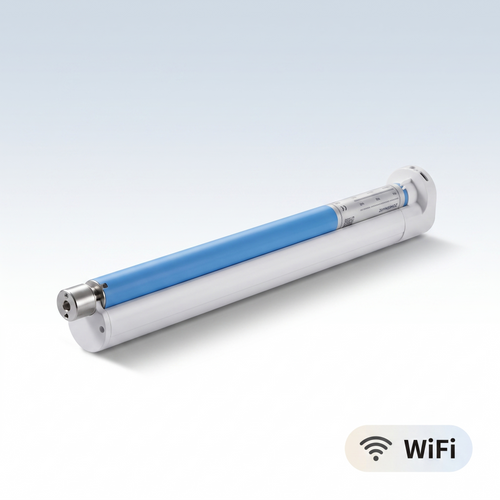 Save 9%
PureNode
PureNode WiFi Roller Blind Motor 25mm - Tuya,Alexa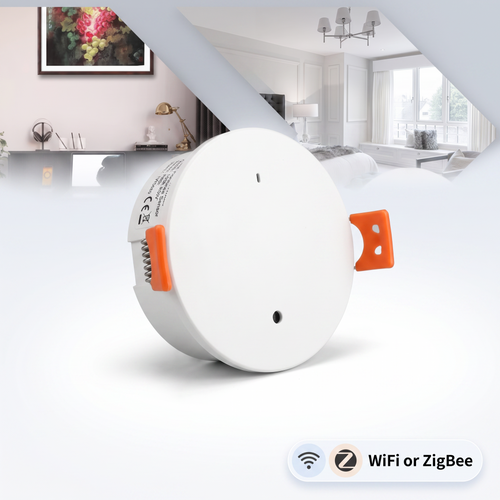 Save 36%
PureNode
PureNode mmWave Presence Sensor - Tuya,Alexa,Google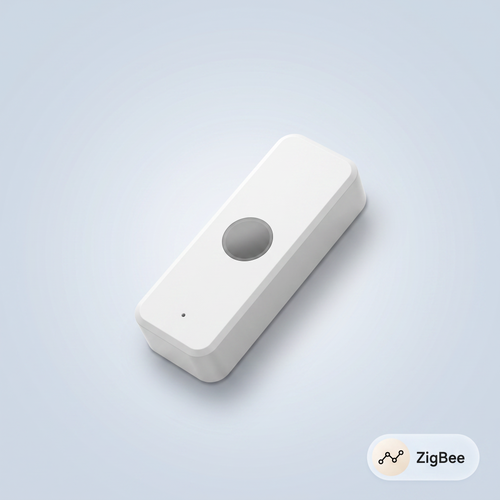
PureNode
PureNode ZigBee Illuminance Sensor - Wireless Lux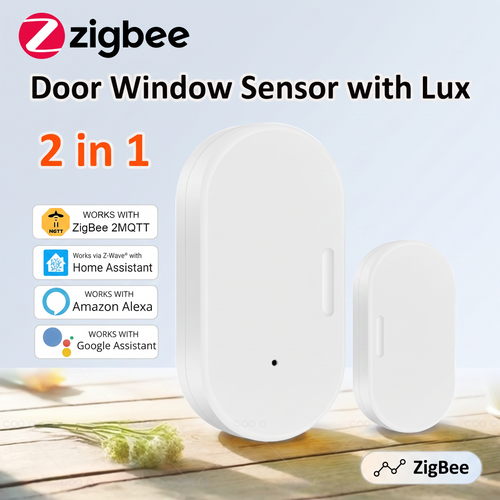
PureNode
PureNode ZigBee Door Sensor 2-in-1 Lux+Magnet - Tuya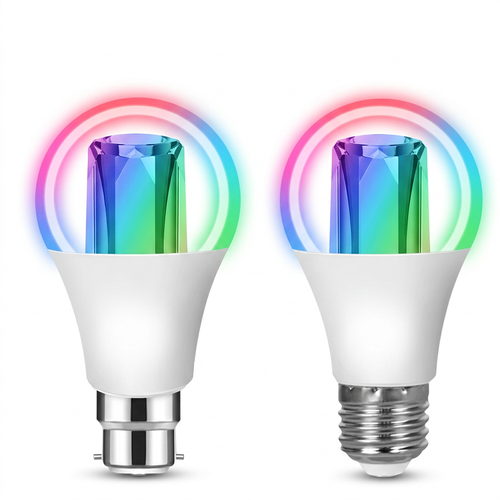
PureNode
PureNode ZigBee Smart Bulb - RGBCW 18W - E27/B22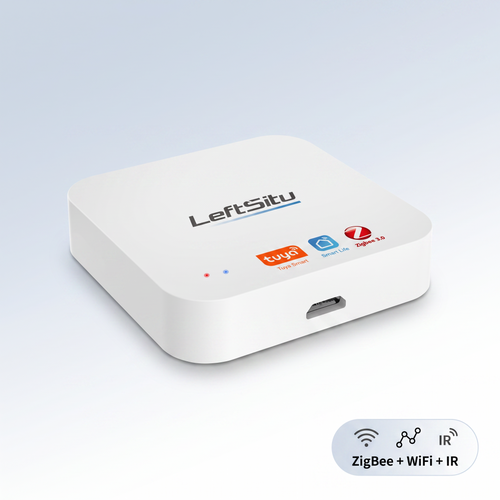
PureNode
PureNode Multi-Mode Hub - ZigBee+WiFi+IR - TuyaNot sure where to start?
Browse our under-A$100 picks — the essentials most people start their smart home with.